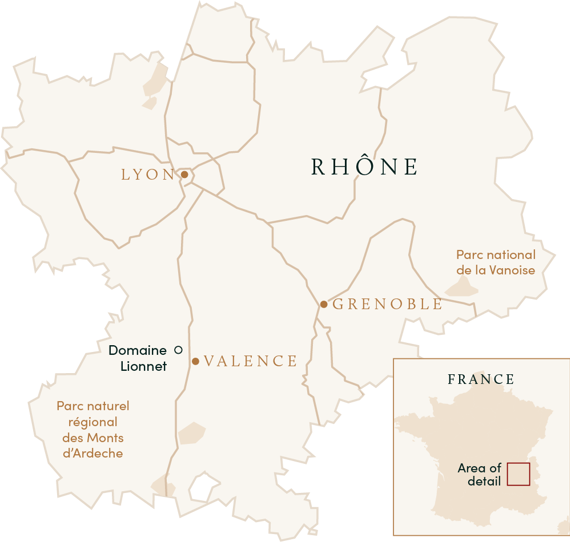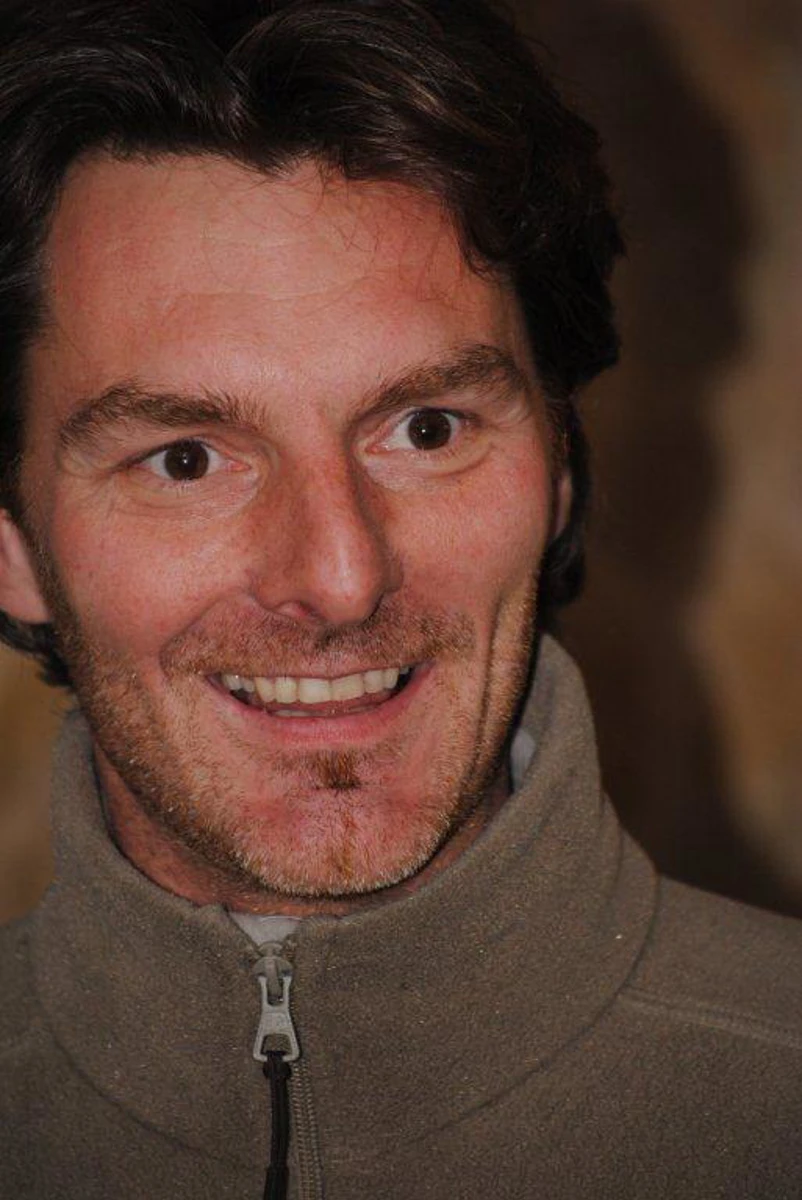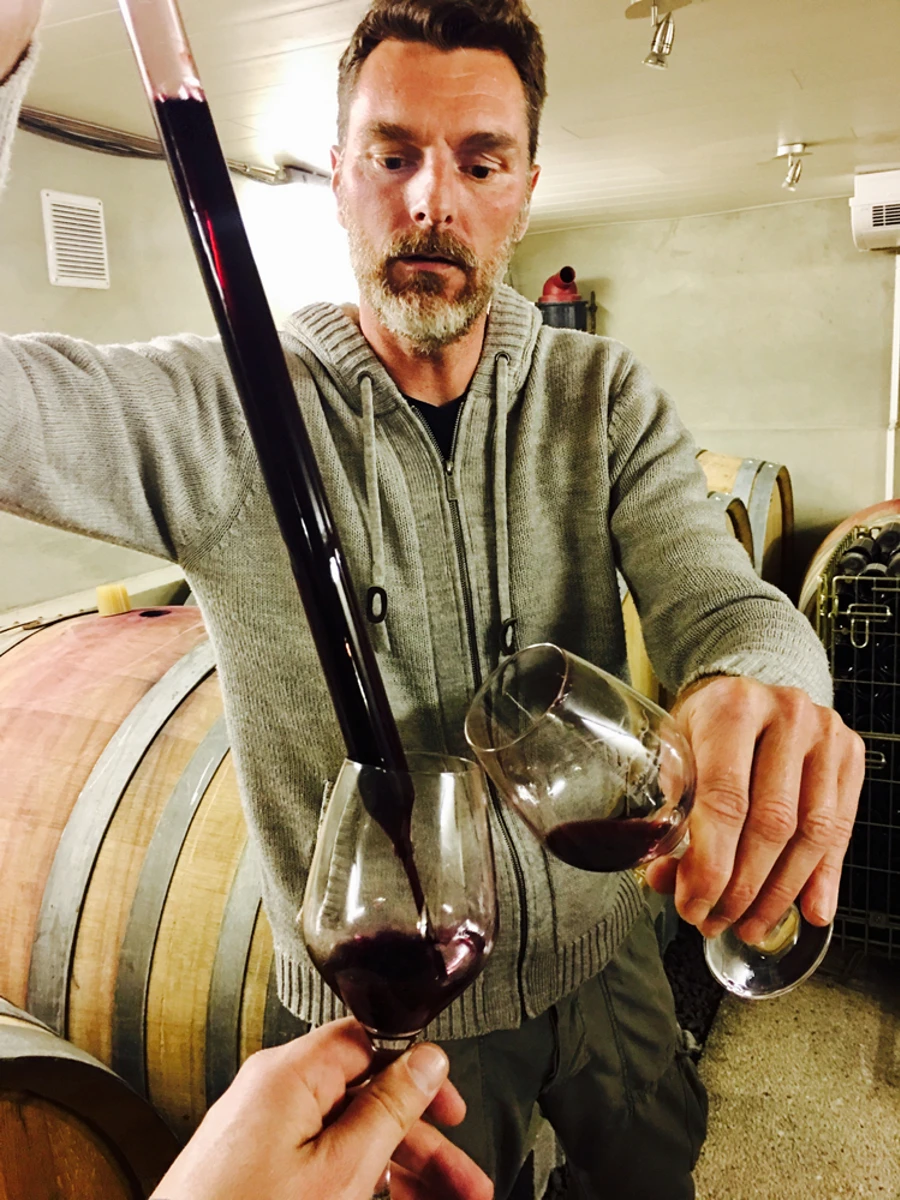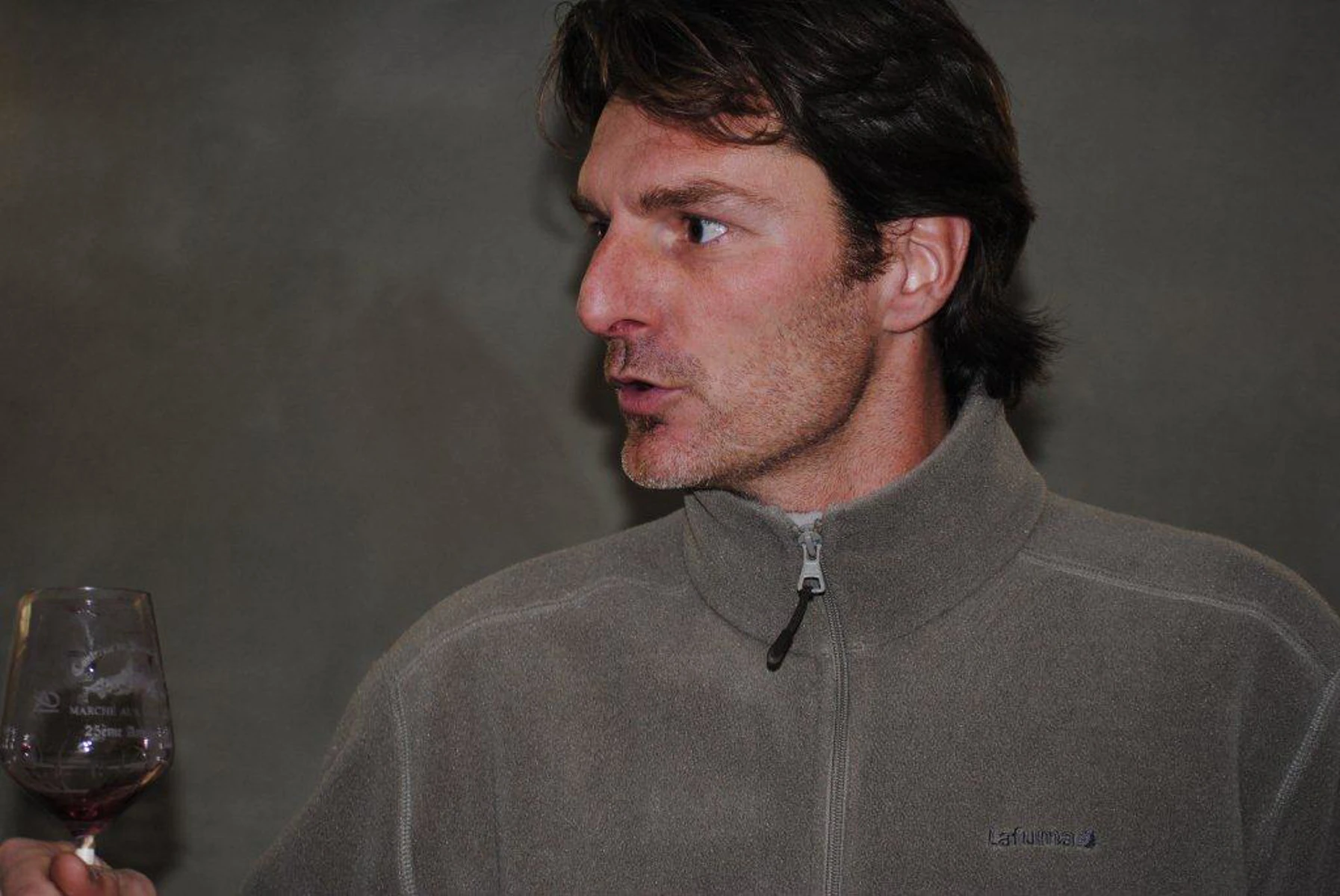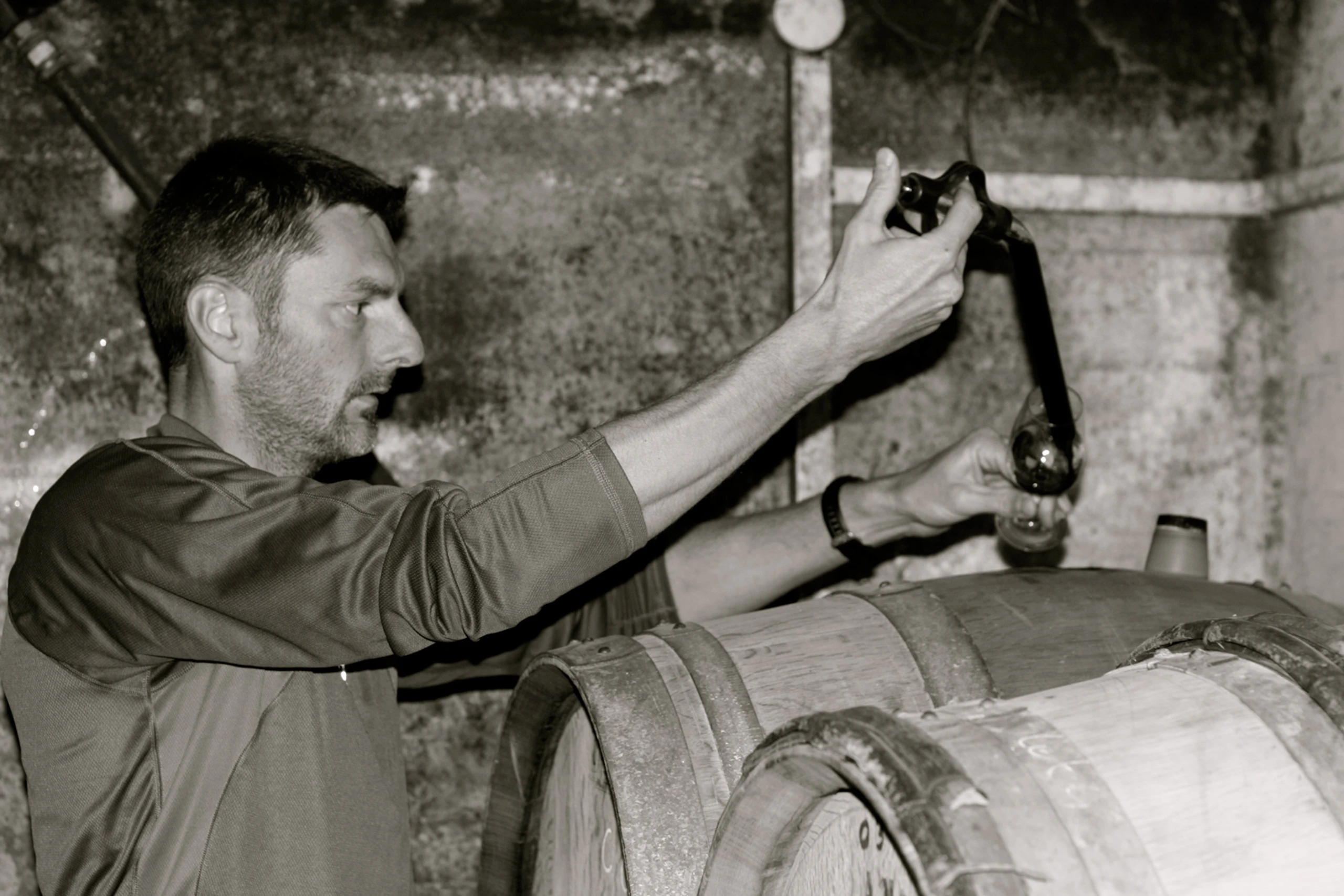
Ludovic Izerable, a refugee from the Haute Savoie city of Grenoble, married Corinne Lionnet whose family has been growing grapes in the village of Cornas since 1575.
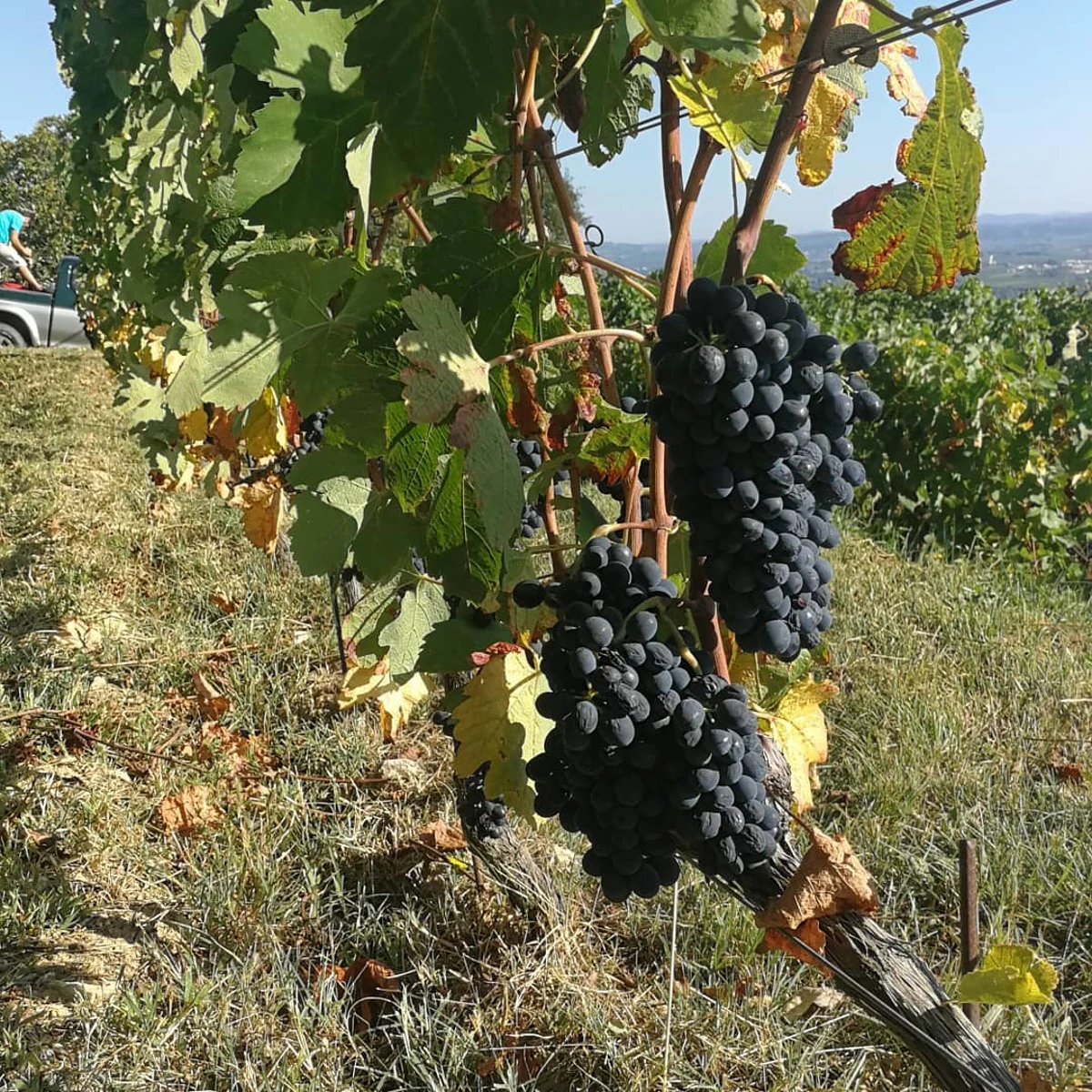
In an era when wines from Cornas’ great producers are scarce—and what’s available often underwhelms—Domaine Lionnet is a revelation. A young generation with deep family roots has taken the helm, and if the critics are to be believed, vaulted the domaine into Cornas’ top tier. Their approach is defiantly traditional: Syrah painstakingly harvested from old vines on rugged, sun-scorched hillsides; brambly with wild herbs, iron-rich and feral, mineral from granite-piercing roots, and dense with fruit ripened in Cornas’ blistering crucible. For seekers of authenticity, Lionnet offers something increasingly rare: real Cornas.
Ancient Roots, Living Tradition
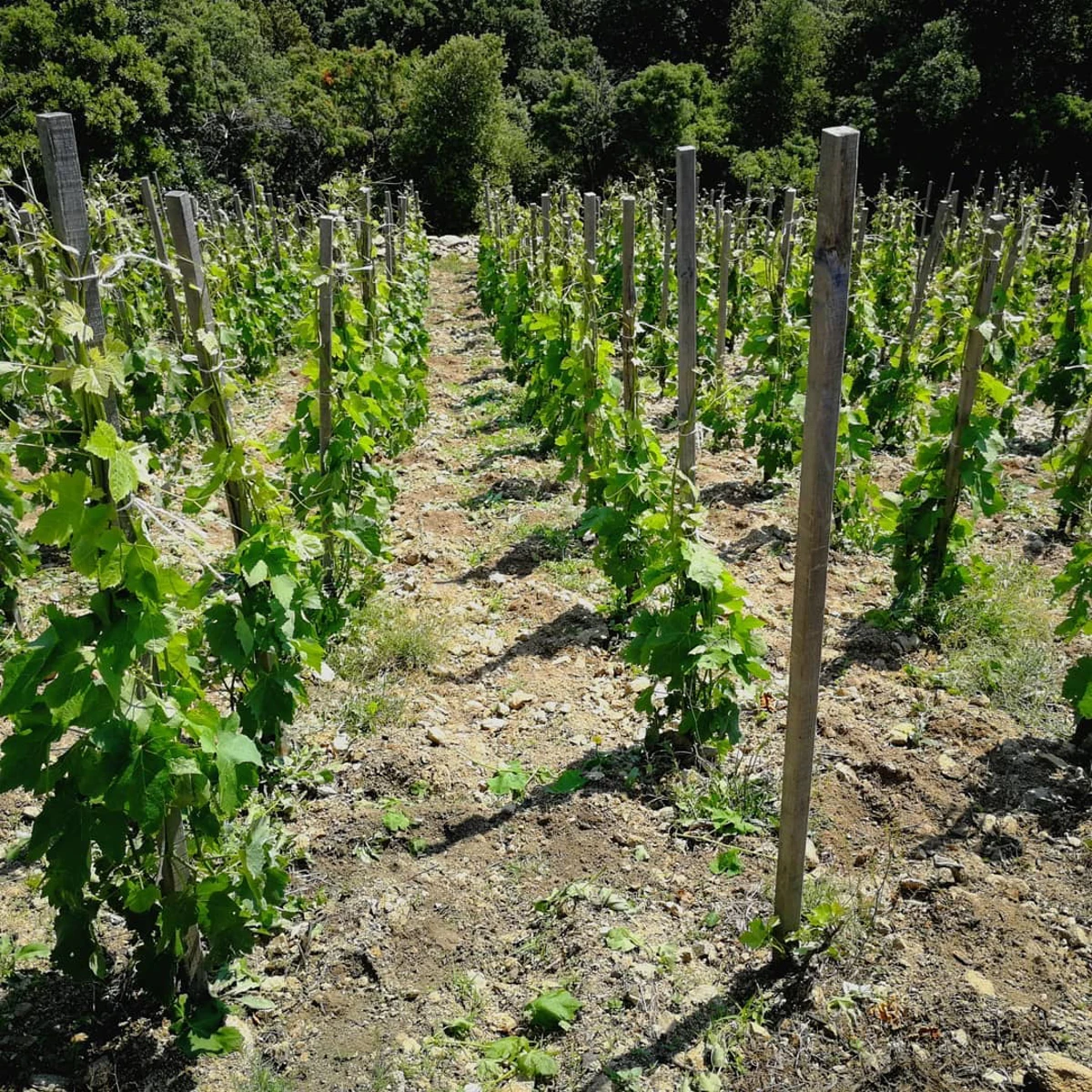
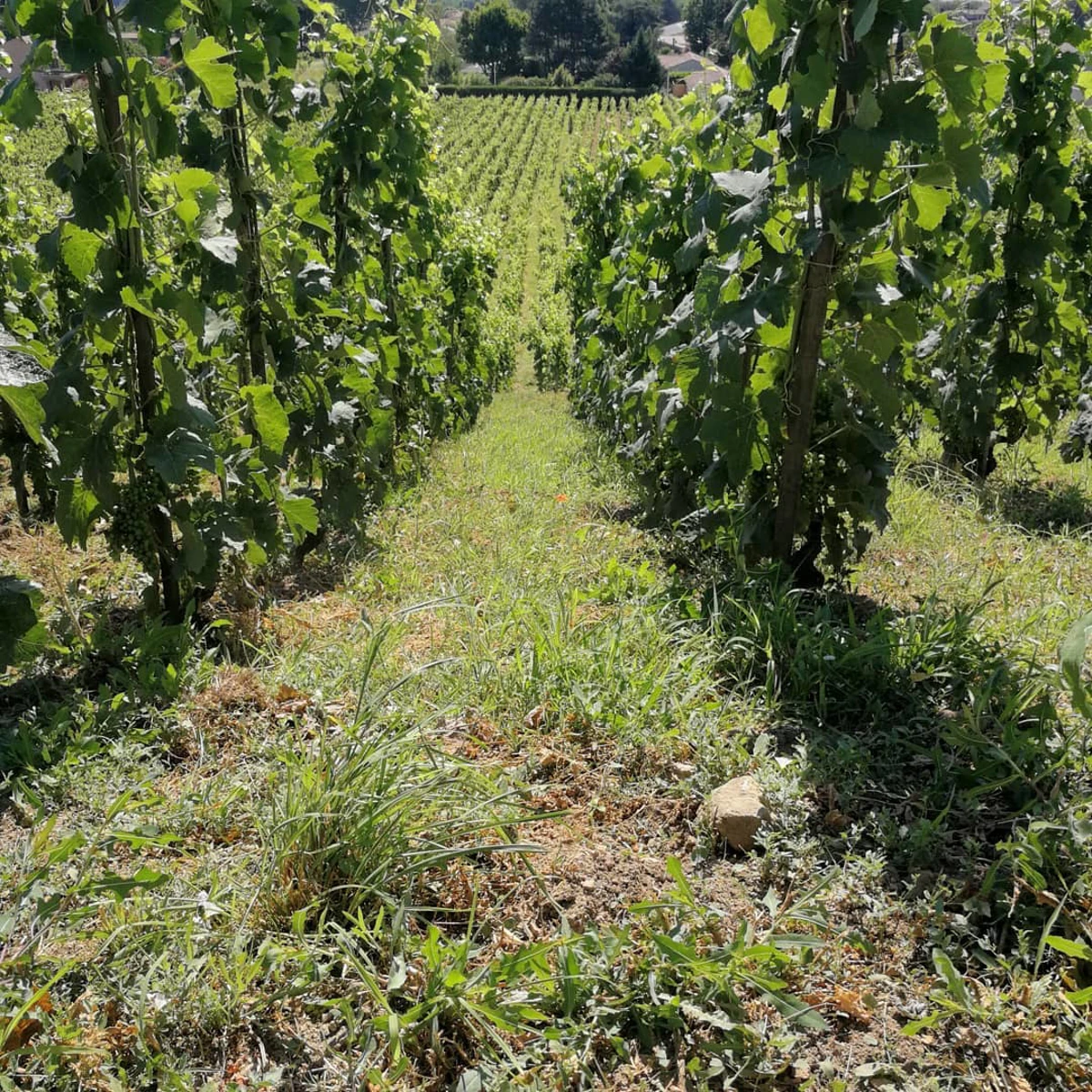
The Lionnet family has tended vines in Cornas since 1575, making them contemporaries of Hermitage's legendary Chave dynasty, though the family’s winemaking didn’t commence until the 1950s. Yet unlike many Rhone estates that coast on reputation, this tiny domaine pulses with fresh energy. When Ludovic Izerable of Grenoble married Corinne Lionnet in 2003, he brought not just talent but conviction—immediately converting to organic farming (now certified biodynamic) and embracing methods so traditional they seem radical: horse-plowing terraces too steep for tractors, 100% whole clusters, spontaneous ferments, zero additives.
The Mosaic of Cornas Terroirs
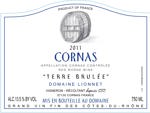
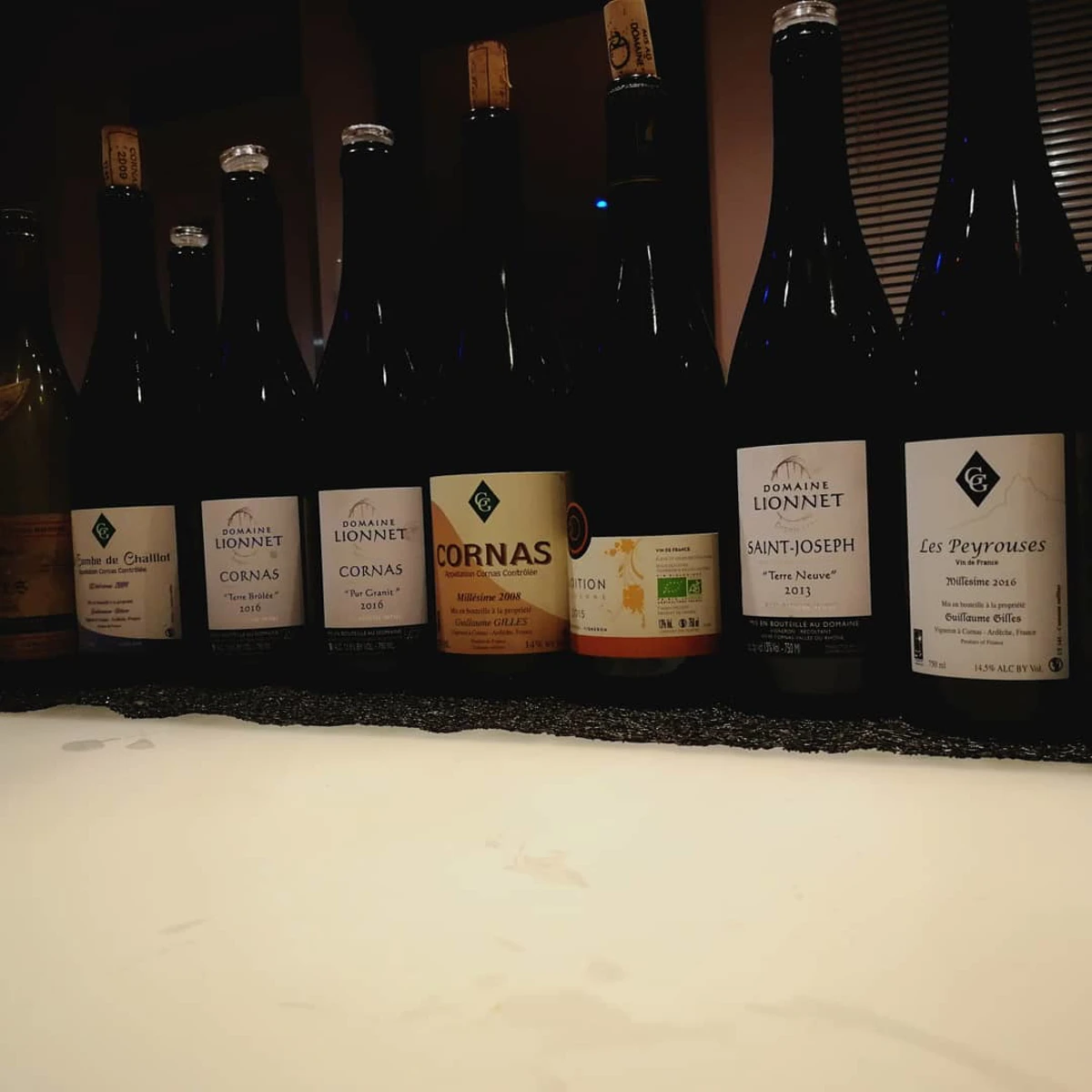
Their flagship Terre Brûlée exemplifies the blending of sites that defines many Northern Rhône icons, such as Chave's Hermitage or Jamet's Côte-Rôtie, it's an assemblage drawn from 50-100-year-old vines across Cornas' finest lieux-dits: the black-fruited power of Mazards, Chaillot's granitic depth, Pied la Vigne's firm structure, Combe's perfumed elegance. Vines here range from 50 to 100 years old, their roots diving deep to find sustenance in the decomposed granite that gives Cornas its signature mineral signature.
In the cellar, Ludovic channels his father-in-law's wisdom: whole-cluster fermentations pull the spice out of the stems and add some of the vivacious fruit that results from the fermentation of unbroken berries. Three-week macerations in concrete follow, before long aging in neutral 600-liter demi-muids and old barrels. Nothing is forced, nothing added. The result is Syrah of startling purity—what Josh Raynolds called "intensely perfumed" with "superb tenacity," what Jeb Dunnuck deemed "brilliant" with its "serious depth and power."
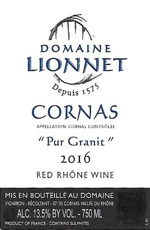
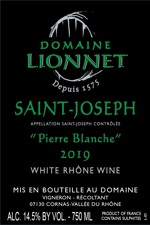
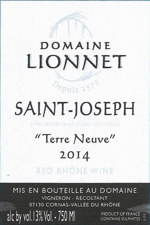
Two single-vineyard Cornas wines accompany the Terre Brûlée in the lineup: a Chaillot, and Pur Granit (from the Chataîgnier parcel). In recent years More recently, Lionnet has added a Saint-Joseph red and white to their lineup, as well as Vin de France bottlings of Carignan and Chenin Blanc—planted outside of Cornas’ borders. All are produced with Lionnet’s signature vitality and pithiness.
Why Lionnet Matters
In a tiny appellation increasingly dominated by négociants, where it can be hard to find individuals willing to take on the grueling labor of extracting wine from Cornas’ unforgiving hillsides, Lionnet represents a vision of the ancient flavor of Cornas, even as it plunges into the future.
These are wines that remind us why Cornas earned its reputation: for marrying the Northern Rhône's complexity with something wilder, more elemental. They're built for lamb off the grill, for game braised with juniper, for cellaring through decades.
With production hovering around 1,500 cases total, these wines require what Josh Raynolds called "sleuthing." But for those who understand that great wine emerges from the intersection of place, history, and human determination, Lionnet rewards the search. This is Cornas at its most essential: untamed yet refined, powerful yet transparent, ancient yet vibrantly alive.